A Pantanal jaguar safari is not primarily about marble bathrooms, formal service or a long list of hotel amenities. The real luxury is access: waking up inside one of the world’s great wetland ecosystems, going into the field with knowledgeable naturalists, having enough time to wait for wildlife, and organizing the trip so that difficult logistics do not overwhelm the reason you came.
We learned that firsthand. In three days in the Pantanal, we saw seven different jaguars, along with more birds, in more variety, than we could keep track of. That is not a number anyone should expect or be promised, but it shows what this region can deliver when the location, season and guiding are right.
From July 31 through September 17, 2026, we spent 49 days traveling extensively through Brazil and visited 18 destinations. Of all the nature experiences on that journey, the Pantanal was one of the strongest surprises and our clear favorite for wildlife. We enjoyed the Amazon for very different reasons, but if a client’s main priorities are jaguars, birds or wildlife photography, the Pantanal is one of the first regions we would now consider.
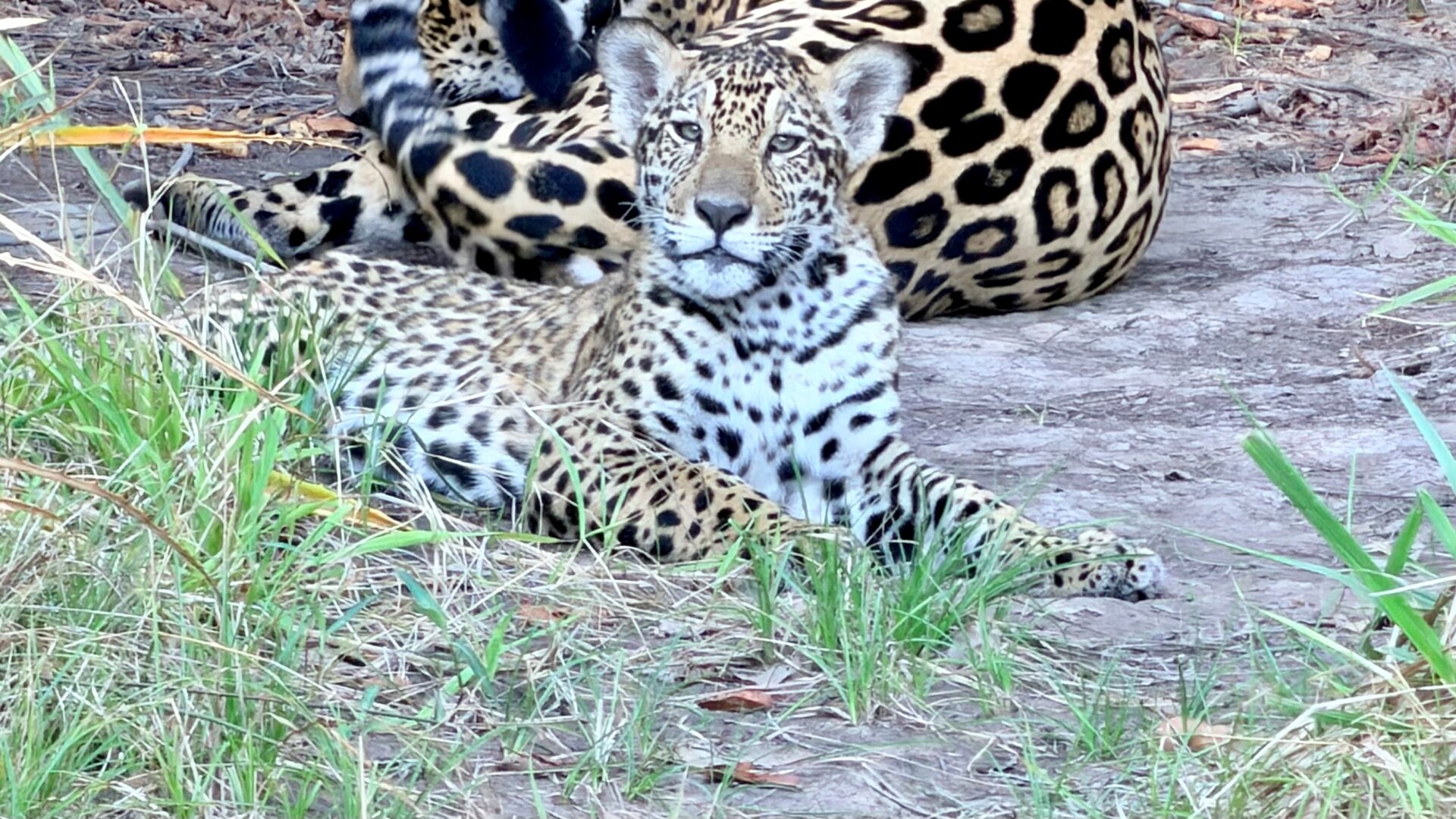
One of the seven jaguars we saw during three days in the Pantanal.
If you are considering a larger Brazil itinerary, our 49-day guide to luxury travel in Brazil explains the broader lessons we learned about seasonality, routing, hotels and transfers across the country.
Where Is the Pantanal?
The Pantanal sits in the center of South America. Most of it lies in western Brazil, across the states of Mato Grosso and Mato Grosso do Sul, and it extends into Bolivia and Paraguay. It is widely described as the world’s largest tropical wetland, a vast mosaic of seasonally flooded grasslands, rivers, lagoons and forest islands.
The Pantanal is not part of the Amazon. It is a separate ecosystem to the south, and the two deliver very different travel experiences, which we cover below.
Why a Pantanal Jaguar Safari Stood Out After 49 Days in Brazil
Before this trip, it would have been easy to place the Pantanal and the Amazon in the same broad category: wildlife and nature. After visiting both, we would not plan or describe them that way.
The Pantanal gave us a much stronger wildlife experience. The landscape is more open, which makes animals easier to observe than in dense rainforest, and the rhythm feels familiar to anyone who has traveled on safari in Africa: early starts, naturalist-led outings, time spent scanning the landscape and the understanding that wildlife determines the schedule.
Seven jaguars in three days would have made the trip on its own, but birdlife was just as big a part of the appeal. Hyacinth macaws were among the birds we photographed, and the sheer number and variety of birds made the destination feel active even between the headline sightings. For travelers who care about photography, that matters. A place can have extraordinary biodiversity on paper and still make actual observation difficult.
Advisor Insight
Do not treat the Pantanal and the Amazon as interchangeable wildlife stops. Based on our firsthand trip, we would choose the Pantanal when jaguars, birding or wildlife photography are the primary objective. We would choose the Amazon for the rainforest, rivers, communities, ecology, remoteness and the experience of being in the Amazon itself.
What Animals Live in the Pantanal?
The UNESCO-listed Pantanal Conservation Area protects part of a freshwater wetland system shaped by seasonal flooding and receding water. That cycle drives the movement and concentration of wildlife, and it is why the region is so productive for safari-style viewing.
The headline species is the jaguar, the largest cat in the Americas. Pantanal jaguars are known for being powerful swimmers and for hunting along rivers and wetland edges. Beyond jaguars, the Pantanal is associated with:
- Mammals: capybaras, giant anteaters, giant otters, marsh deer and tapirs.
- Reptiles: caimans, often in remarkable numbers along the water’s edge.
- Birds: hyacinth macaws, jabiru storks, toco toucans, rheas and hundreds of other species, which makes the region exceptional for birding.
The important point for travelers is not simply that these animals live there. It is that the open wetlands, grasslands and waterways make wildlife substantially easier to observe than in a dense forest environment.
No responsible advisor or lodge should guarantee a jaguar or any other wild animal. We saw seven, and we would still never promise one. What good planning can do is put you in the right region, in the right season, with experienced guides and enough time to improve the odds of meaningful encounters.
Northern vs. Southern Pantanal: Where to Go on a Jaguar Safari
One of the most useful things to understand before planning a Pantanal trip is that northern and southern experiences can be quite different. We would not select between them based on a hotel name alone.
Southern Pantanal: Miranda and Mato Grosso do Sul
Our own experience was in the southern Pantanal, in the Miranda area of Mato Grosso do Sul. This part of the Pantanal works particularly well for travelers who want a broad wildlife experience alongside jaguars. Activities can include open-vehicle safaris, birding, walks, horseback riding, canoeing and nighttime wildlife observation, depending on the lodge and conditions.
It is also a compelling introduction to the landscape and ranch culture of the Pantanal. The experience feels expansive rather than river-bound. Our seven jaguar sightings came in the southern Pantanal, which is worth knowing because the region is often overshadowed by the north in jaguar discussions.
Northern Pantanal: Porto Jofre and Mato Grosso
The northern Pantanal, particularly around Porto Jofre and the Cuiabá River system, is especially well known for boat-based jaguar viewing during the drier part of the year. Brazil’s official tourism resources highlight the northern Pantanal for jaguars, giant otters, capybaras and birding, with jaguars more frequently approaching riverbanks as waters recede.
We did not visit the northern Pantanal on our 2026 research trip, so we do not present it as a firsthand review. For a client whose overriding goal is highly targeted jaguar photography from a boat, however, we would compare the northern river-based experience with the southern Pantanal rather than assuming our own itinerary should simply be repeated.
This is exactly the kind of distinction that matters in a private journey designed around a traveler’s priorities. The right answer for a birder, a family, a first-time wildlife traveler and a serious photographer may be different.
How to Get to the Pantanal
For the southern Pantanal, most travelers arrive through Campo Grande Airport. From there, plan on roughly 3.5 to 4 hours by road to reach the Miranda area, with about one hour of that on dirt road.
That is not a small logistical detail. After an international arrival or a domestic connection, an additional drive of that length can materially change the first day. For some clients, the road journey is perfectly reasonable. For others, it makes sense to overnight in Campo Grande or arrange the timing so the drive happens when everyone is fresh.
The northern Pantanal is typically reached through Cuiabá. We would make the gateway decision as part of the entire Brazil routing rather than treating the transfer in isolation.
Staying on a Pantanal Jaguar Safari
The Pantanal is not a place you visit on a day trip from a city hotel. The best experiences come from staying inside the ecosystem, at a lodge where the field program is a central part of the stay rather than an add-on.
That should also shape expectations about luxury. The reason to go is not to recreate a Rosewood or Four Seasons experience in the wetlands. The value lies in location, guide quality, wildlife access, conservation work, privacy when arranged, and the ability to structure the days around what is happening in the field.
Jaguar Conservation in the Pantanal
Much of the Pantanal’s jaguar story is tied to serious conservation work rather than tourism alone. Onçafari, a Brazilian conservation organization, has worked with jaguars in the Pantanal for more than a decade, and its work now spans science, responsible ecotourism, reintroduction, education, fire protection and other initiatives.
For travelers, the important point is that the best jaguar experiences are connected to long-term research and habituation work, which is a large part of why sightings like ours are possible. That is especially interesting for clients who want to understand conservation as well as photograph wildlife.
Conservation-led jaguar experiences are not something we would assume can be added at the last minute. If this is central to the trip, we would confirm availability early and build the stay around it rather than treating it as an optional extra after the lodge reservation is made.
Best Time to Visit the Pantanal for Jaguars
There is no single month that is ideal for every Pantanal jaguar safari. The answer depends on the region and the traveler’s objective.
In broad terms, the drier period makes overland movement easier and often improves wildlife visibility as water recedes. Official Brazilian tourism information commonly highlights roughly May through September as a particularly strong period for general wildlife observation.
For the northern Pantanal, the jaguar-focused window can extend later. Brazil’s official tourism site highlights July through November as a strong period around northern riverbanks as waters recede.
We visited in August, during the drier part of the year, which suited our wildlife and photography priorities. If we were planning a future trip for a client, however, we would not select dates from a generic weather chart. We would first ask what matters most: jaguars, birds, photography, flooded landscapes, fewer visitors or a particular lodge.
Dry Season
For most first-time wildlife-focused travelers, the drier months are the easiest place to start. Roads and tracks are generally more usable, wildlife can become more concentrated around remaining water, and the landscape is easier to explore by vehicle and on foot.
Wet and Flood Seasons
The wetter period creates a different Pantanal. Water transforms the landscape, boat access becomes more important in some areas, and birdlife can be extraordinary. It can also mean more heat, more insects and more complicated access. This is not automatically a worse time to go; it is a different trip.
How Many Nights for a Pantanal Jaguar Safari?
For most luxury travelers, we would plan at least three nights and often four. Two nights can look efficient on an itinerary, but it gives wildlife very little time to cooperate and makes the access effort disproportionately large. Our own three days were productive, but we would not assume every stay will be as generous.
Serious birders and photographers should consider longer. Four or five nights gives you more chances to revisit productive areas, work with changing light, wait for specific species and recover from an outing that simply did not produce what you hoped to see.
If a client wants both the southern and northern Pantanal, we would only combine them when there is a clear reason. Doing both can create a strong wildlife journey, but it also adds another transfer and more time. More Pantanal is not automatically better if the itinerary becomes needlessly complicated.
What Luxury Means on a Pantanal Safari
Luxury in a remote wildlife destination should be judged differently from luxury in Paris, Tokyo or São Paulo.
For us, the questions are practical: Is the room genuinely comfortable after a long day outside? Is the guide excellent? Can we arrange a private vehicle or specialist naturalist when that matters? Is the food good? Does the lodge understand photographers? Can the program adapt to wildlife activity? Are transfers reliable? Is there enough privacy for the client? Does the lodge’s conservation story hold up?
Those details matter more than a marble lobby.
There are also real limitations. Expect early mornings, insects, strong sun, dust or mud depending on the season, open vehicles, uneven roads and wildlife that does not appear on command.
What to Pack for the Pantanal
Good to Know
Do not pack for the Pantanal as though every day will be tropical heat. During Brazil’s winter, early mornings can be surprisingly cool, especially in an open safari vehicle. Layers, closed shoes, a hat, sun protection, effective insect repellent and binoculars are more useful than dressy resort clothing.
Is the Pantanal Better Than the Amazon for Wildlife?
Based on our own 49-day Brazil trip, yes—if the question is specifically about wildlife viewing.
Our Amazon experience was memorable, but it was memorable for the rainforest, rivers, communities, vegetation, scale and sense of remoteness. Actual wildlife sightings were limited. That is not a criticism of the Amazon; dense rainforest makes wildlife harder to see.
The Pantanal was different. Seven jaguars and a constant stream of birdlife in three days is not something we would expect from dense rainforest. The open environment made animals more visible and photography more productive. We would therefore sell the two regions for different reasons rather than promising the same experience in both.
Some travelers should absolutely combine them. A Pantanal-and-Amazon itinerary can be excellent when the client wants to understand two of Brazil’s great ecosystems. But if someone has limited time and says, “I want wildlife,” we would start the conversation with the Pantanal.
Our broader luxury Brazil travel guide explains this comparison in the context of the rest of the country.
Who a Pantanal Jaguar Safari Is Best For
We would strongly consider the Pantanal for:
- Wildlife photographers who value repeated field time over conventional sightseeing.
- Birdwatchers who want an environment where birds are a constant part of the landscape.
- Travelers who have enjoyed safari in Africa and want a very different wildlife ecosystem.
- Couples or families who are comfortable with early mornings, outdoor activities and a remote setting.
- Experienced luxury travelers who understand that access and expertise can matter more than a familiar hotel brand.
It is less compelling for travelers who want a resort-centered vacation, dislike insects and early starts, or have only enough time to fly in, sleep once and leave.
For travelers with highly specific interests, such as particular bird species, butterflies or serious macro photography, we would build the trip around a specialist naturalist, the correct habitats and the right season. That request should be made before the trip is booked, not after arrival.
How to Combine the Pantanal With the Rest of Brazil
The Pantanal works well as one part of a larger private Brazil journey, but routing needs to be disciplined.
- Rio de Janeiro + Pantanal: a strong first-time combination that contrasts city, culture and coastline with wildlife.
- São Paulo + Pantanal: useful when international flight schedules or domestic connections make São Paulo the logical gateway, with excellent dining and hotels adding a very different experience.
- Pantanal + Amazon: worthwhile when the client specifically wants both ecosystems and understands that they deliver different things.
- Pantanal + another nature region: possible, but we would protect enough time in each place rather than creating an exhausting list of domestic flights and transfers.
Our 49-day trip deliberately moved much faster and covered more ground than we would recommend for a client. The useful lesson from that journey was not how to fit 18 destinations into one trip. It was learning which combinations deserve the time and which logistical compromises are not worth making.
For additional ideas beyond Brazil, see our guide to luxury travel in South America.
How The Luxury Travel Agency Plans a Pantanal Jaguar Safari
A well-designed Pantanal trip begins with the wildlife objective, not the lodge.
We first determine what the traveler most wants from the trip: jaguars, broad wildlife, birding, family nature experiences, conservation access or a combination. From there, we decide which part of the Pantanal makes sense, how many nights are justified, what level of private guiding is needed, how to handle the transfer, and how the Pantanal should connect with the rest of Brazil.
That may include a specific lodge, conservation-led jaguar experiences, a private naturalist, a private vehicle, domestic flights, city hotels and private touring elsewhere in the country. The goal is not to add luxury for its own sake. It is to use the right services where they materially improve the trip.
Trusted by the World’s Leading Luxury Hotels
Four Seasons · Rosewood · Belmond · Mandarin Oriental
Pantanal Jaguar Safari FAQs
Is the Pantanal worth visiting?
Yes, for travelers who care about wildlife, birds or photography. We would not add it simply to make a Brazil itinerary look more comprehensive, but for the right traveler it can become one of the strongest parts of the entire trip.
Is the Pantanal part of the Amazon?
No. The Pantanal is a separate wetland ecosystem south of the Amazon. Based on our firsthand experience, it was considerably stronger for wildlife viewing, while the Amazon offered a powerful rainforest and river experience with far fewer sightings.
When is the best time to visit the Pantanal for jaguars?
The drier months generally improve wildlife visibility, while the northern Pantanal around Porto Jofre is particularly associated with river-based jaguar viewing from roughly July through November. We saw seven jaguars in the southern Pantanal in August. We select dates based on the exact region and wildlife objective.
How do you get to the Pantanal?
The southern Pantanal is usually reached through Campo Grande, followed by roughly 3.5 to 4 hours by road, about one hour of it on dirt road. The northern Pantanal is typically reached through Cuiabá.
How many nights should a Pantanal jaguar safari be?
We generally prefer at least three nights and often four. Serious photographers, birders and travelers with highly specific wildlife goals may benefit from a longer stay.
Are jaguar sightings guaranteed?
No. We saw seven jaguars in three days, and we still would not promise a single sighting to anyone. Good timing, knowledgeable guides, the right location and enough nights improve the opportunity, but they cannot turn wildlife into a scheduled attraction.
Plan Your Pantanal Jaguar Safari With The Luxury Travel Agency
The Pantanal is the kind of destination where good planning is visible in the field: the right region, enough nights, the correct guide, realistic wildlife expectations and a transfer plan that does not waste a day.
Our recommendations are informed by firsthand travel through Brazil, including 49 days and 18 destinations in 2026. We can design a jaguar safari in the Pantanal on its own or incorporate it into a larger itinerary with Rio de Janeiro, São Paulo, the Amazon, beaches, cultural regions or other parts of South America.
Private Consultation
Plan Your Pantanal Jaguar Safari
Tell us your approximate dates, number of travelers, wildlife priorities and the rest of the Brazil trip you are considering. Your request is reviewed personally, and you will hear from us within one business day. We take on a limited number of new clients each season.
Request a Private Consultation
Learn more about why clients work with The Luxury Travel Agency.